
Prielmayerstraße 1, Erding
Prielmayerstraße 1, 85435 Erding, Germany
Museum Erding | Opening Hours & Events
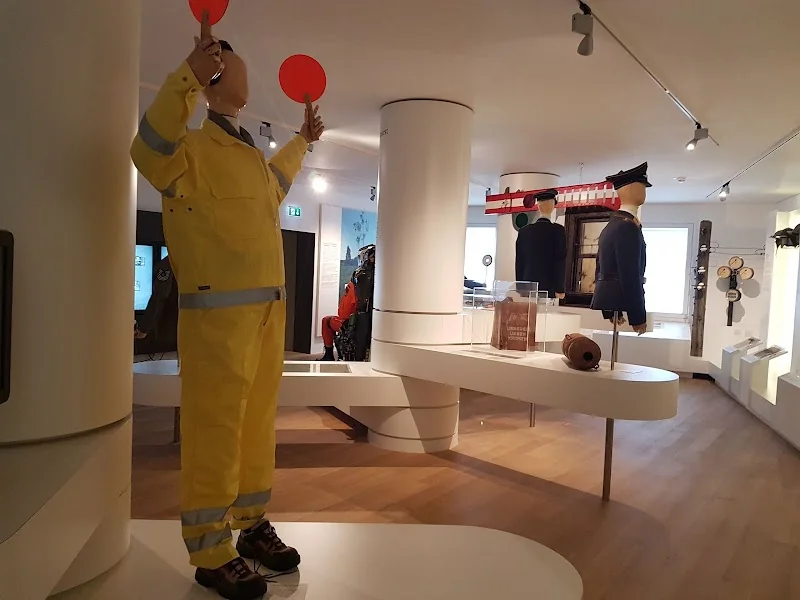
The Museum Erding is a vibrant place for city history, archaeology, art, and crafts in the heart of Prielmayerstraße. As one of the oldest municipal museums in Bavaria, it combines historical depth with modern presentation and showcases a wide range from prehistory to the present in its seven-part permanent exhibition. Particularly attractive for a spontaneous visit: Admission is free, the museum is open from Tuesday to Sunday from 1 PM to 5 PM and additionally offers changing special exhibitions, guided tours, events, and educational programs for children, families, and groups. Those who want to experience the museum not just as an exhibition space but as a meeting point will find a photo gallery with over 1400 motifs, a museum café, a shop, and barrier-free access with elevators and other services in the foyer. For visitors looking for opening hours, tickets, programs, and special highlights, this page consolidates the most important information in one place. ([erding.de](https://www.erding.de/museum-erding))
Opening Hours, Admission, and Prices
Anyone wishing to visit the Museum Erding should ideally plan with a clear, reliable time frame: The museum is regularly open from Tuesday to Sunday from 1 PM to 5 PM. The website also explicitly states that the museum may be open on public holidays, provided it is not one of the published closing days. For the 2025/2026 season, there is a separate overview of special opening hours and closing days on the official page, so it is always worth taking a look before visiting. This clear structure is particularly practical for day visitors, family outings, and spontaneous cultural stops, as the museum visit can be well combined with a city stroll, an appointment in Erding, or an evening event. Therefore, those searching for the keyword opening hours will find not only the standard times but also a currently maintained schedule logic that transparently addresses special cases. ([museum-erding.de](https://museum-erding.de/))
The museum also scores with a very low-threshold access regarding prices: Admission is free. This makes the museum attractive for individual visitors, families, and also for people who are looking for a cultural program without high admission barriers. For guided tours, clear and fair conditions apply: A tour costs 4 euros per person, and for holders of the volunteer card, it is 2 euros. Particularly important for schools and kindergartens is the clear promotion of the educational mission: Tours for institutions from the city area of Erding are free of charge, while outside the city, the tour costs 2 euros per child. Additionally, educational workshops are charged at a flat rate of 40 euros per hour, with material costs added as needed. This makes the Museum Erding attractive not only for the classic museum visitor audience but also for teachers, project groups, and educational formats that require a manageable budget and good planning. ([museum-erding.de](https://museum-erding.de/pricing/))
Exhibitions and Collection
The heart of the museum lies in its collection, which the website aptly describes as the cultural memory of the city. Around 60,000 objects are permanently preserved, excluding the image archive and archaeological collection. This is an impressive scale for a city museum and shows how broad the spectrum of everyday culture, art, crafts, written material, and regional testimonies actually is. A special value lies in the connection of urban and regional history: While the city of Erding is at the center, the museum also collects selected objects from the district. These include paintings by local artists, pieces of church art, testimonies of folk piety, historical vehicles, furniture, craft objects, industrial history, and extensive photographs that document the history of Erding over many decades. The collection is thus not only a storage place but an active archive of memory, where decisions are continually made about which items are to be permanently preserved, restored, or presented in exhibitions. ([museum-erding.de](https://museum-erding.de/unsere-sammlung/))
The Museum Erding is particularly strong in connecting classical city history with archaeological depth. The archaeological collection includes finds from over 10,000 years of cultural history of the Erding region; the permanent exhibition presents the prehistory and early history of the Erding region in a way that tells numerous discovery stories from the Stone Age to the early Middle Ages. In addition, the museum showcases the geology and landscape history of the region. This perspective makes the visit significantly more exciting than a purely museum tour: Here, it becomes visible how early settlement, trade, crafts, and landscape interacted. At the same time, city history is not told as an abstract timeline but as a concrete process involving people, objects, and spaces. This is one of the reasons why the museum works well for both history enthusiasts and families and school classes. ([museum-erding.de](https://museum-erding.de/ausstellungen/))
The seven permanent exhibition areas give the museum its clear structure: Archaeology, city history, art & artists, everyday stories, Loderer craftsmanship, bell founding craftsmanship, and the collection of Rudolf L. Reiter. The craft departments are a significant unique selling point as they make the economic and cultural development of Erding tangible. The Loderer craftsmanship was one of the most important trades in the city since around 1400; at its peak, 50 to 60 masters worked there with hundreds of employees. The bell founding craftsmanship, in turn, is closely associated with the Bachmair family, who cast bells in Erding from 1850 and produced about 900 bells until 1936. Additionally, the collection of Rudolf L. Reiter, which has been owned by the city of Erding since 2012, will be displayed in a new arrangement starting May 19, 2024. Together, this creates a museum profile that convincingly brings together city, region, crafts, and art. ([museum-erding.de](https://museum-erding.de/ausstellungen/))
Event Calendar, Concerts, and Events
The Museum Erding sees itself not only as a house of permanent exhibitions but also as an active event venue. The homepage explicitly mentions lectures, concerts, guided tours, openings, workshops, and events as part of the program. Additionally, there are museum formats for young and old that go far beyond the classic viewing experience. This is also important for keyword searches, as many visitors are not only looking for exhibitions but for a lively calendar, concerts, or special evening events. The public communication of the museum shows that the program is intentionally varied: There are short tours, themed evenings, musically accompanied formats, and cooperative events with local partners. This positions the museum as a cultural meeting point where education, entertainment, and regional identity come together. Therefore, those searching for Museum Erding events or Museum Erding concerts will find not a rigid standard program but a continuously updated mix of culture, history, and encounters. ([museum-erding.de](https://museum-erding.de/))
Concrete examples show how versatile the calendar is. For instance, in the summer of 2025, there was an evening under the motto Summer in the Museum with three short tours through the departments of archaeology, urban development, and art & artists, complemented by drinks and an open atmosphere. For February 2026, the museum announces a winter evening with three tours, where visitors can be guided from city history to archaeology in the pleasantly tempered house. Furthermore, the format Erding tells as a storytelling café will continue in collaboration with the Catholic Adult Education Center. Such events are particularly relevant for inquiries about calendars, events, or programs, as they show that the museum can not only be visited during the day but also in the evenings and as part of thematic special formats. Therefore, those wishing to combine a museum visit with a cultural event will find real content here instead of mere program language. ([erding.de](https://www.erding.de/veranstaltungen-detail/sommer-im-museum?utm_source=openai))
The spaces themselves also play an important role in events. The museum describes its event spaces as flooded with natural light and equipped with modern presentation technology. This is a real advantage for conferences, lectures, small concerts, or workshops, as the rooms work not only functionally but also atmospherically. This is particularly relevant for local institutions, associations, and cultural groups, as the museum can thus serve as both a place of remembrance and a working and meeting space. Therefore, those searching for Erding museum events will find not only individual dates but a venue that has been thought of as an event location. In conjunction with the changing special exhibitions, this creates a program that makes a regular visit worthwhile, as content, focus, and experience character change repeatedly. ([museum-erding.de](https://museum-erding.de/))
Guided Tours, Children's Programs, and Museum Education
A significant part of the profile is the educational work. The Museum Erding explicitly sees itself as an extracurricular learning location and offers guided tours for all age groups, from kindergarten to primary school and secondary schools. The tours can be designed to be playful, interactive, or purely informative, depending on the target group. This is an important point for families and educators, as the visit is not limited to a silent walkthrough of rooms but responds to different learning levels and interests. Families and private groups can also choose from a wide range of topics. Additionally, individual teacher training sessions are offered, for example, for subject departments or trainees. The museum is thus not only an exhibition space but also a didactic partner for teaching, project work, and historical education on site. ([museum-erding.de](https://museum-erding.de/museumspaedagogik/))
For school classes, the offer is particularly attractive because the exhibitions can directly connect to curriculum content. The educational texts link the areas of archaeology, Loderer craftsmanship, bell founding craftsmanship, everyday stories, art and artists, and urban development with local and regional topics. Children and young people should not only absorb information but also become active in workshops and creatively deepen what they have learned. This increases the experience value and makes the museum interesting for groups looking for a meaningful but not didactic outing. Notably, the funding logic is also remarkable: Tours for schools and kindergartens from the city area of Erding are free of charge, while outside the city area, the tour costs 2 euros per child. Therefore, those searching for Museum Erding children, children's programs, or guided tours will find an offer that is pedagogically well thought out and financially manageable. ([museum-erding.de](https://museum-erding.de/museumspaedagogik/))
For teachers and groups looking for a complete project day, the structure is also helpful. According to its own representation, the museum also supports project seminars, hiking days, research papers, and other school activities. This turns a museum visit into a learning location with a real connection to school practice. Additionally, the workshops are priced flatly and transparently, which facilitates planning. This is relevant for inquiries about museum erding events or museum erding children, as the museum communicates very concretely and openly, especially regarding family formats and educational topics. Therefore, those planning a visit can rely on the fact that not only content but also organization and pricing structure are clearly understandable. ([museum-erding.de](https://museum-erding.de/museumspaedagogik/))
Directions, Parking, and Accessibility
The Museum Erding is located at Prielmayerstraße 1, 85435 Erding, and thus very centrally in the urban area. This clear address is helpful for directions as it can be directly used for navigation, route planning, and city walks. Particularly important for people with limited mobility are the specific notes on accessibility: There are two disabled parking spaces located 50 meters away at Prielmayerstraße 22. The building itself is equipped with an elevator, making all levels accessible. Additionally, there is a disabled toilet, a changing room, and a loan wheelchair in the basement. This shows that the museum takes accessibility seriously and implements it practically. Therefore, those searching for museum erding parking or museum erding accessibility will find very concrete information for a barrier-free visit. ([museum-erding.de](https://museum-erding.de/))
The official accessibility page explicitly describes the museum as built to be barrier-free and well accessible for wheelchair users. This is particularly important for families with strollers, older visitors, or groups with varying mobility needs. Additionally, the museum also offers a changing room and wheelchair rental. For many visitors, this practical aspect is crucial when a spontaneous idea should turn into a real visit. In conjunction with free admission, family-friendly tours, and the café, this creates a location that is not only culturally interesting but also practical for everyday use. Therefore, those wanting to ensure safety regarding directions, parking, and accessibility will receive very clear and understandable communication from Museum Erding. ([museum-erding.de](https://museum-erding.de/))
Also relevant are the additional service elements: On the homepage, the museum refers to a museum café offering coffee, tea, and chocolates from fair trade, as well as a museum shop with books, souvenirs, postcards, and other publications. For many visitors, this is precisely the difference between a quick tour and a rounded cultural experience. Those wanting to sit down, browse, or take a souvenir after their museum visit will find suitable offers in the building. Particularly in combination with a central location, barrier-free paths, and a clear structure of opening hours, the Museum Erding becomes a well-planned destination for half or a whole afternoon. ([erding.de](https://www.erding.de/museum-erding))
History, Photo Gallery, and Special Highlights
The history of the museum began as early as 1856 when the Erding merchant and master shoemaker Anton Bachmair made the so-called Zeughauszimmer accessible to the public in the Schrannengebäude. This laid the foundation for one of the oldest municipal museums in Bavaria. Later, in 1902, the museum moved into the Grafenstock in the town hall and was housed there until 1986 before relocating to the Antoniusheim in Prielmayerstraße. Today, the website reminds us that the museum looks back on approximately 170 years of history. This long development is more than a historical footnote for visitors: it explains why the building is not only a collection site but also a historical document of the city itself. Those searching for museum erding history will find a clear line from the beginnings to the present. ([museum-erding.de](https://museum-erding.de/haus-und-museumsgeschichte/))
Particularly exciting is the architectural change in recent years. In 2010, the museum received a gold-shimmering modern extension that houses exhibition spaces, depots, administration, and event rooms. By 2013/14, the old building was renovated and redesigned, allowing the past and present to interact architecturally and thematically. Additionally, a photo wall with images from the history and present of Erding was created in front of the building, leading into the foyer. In the entrance area, the photo gallery with over 1400 motifs creates a striking first impression. Additionally, the bronze sculpture The Three in front of the former main entrance symbolizes the museum's mission as a place of encounter and engagement with historical facts. This combination of architecture, photographic material, and art object makes the visit visually special and explains why the search for Museum Erding photos is so strongly associated with the building. ([museum-erding.de](https://museum-erding.de/haus-und-museumsgeschichte/))
What makes the Museum Erding fundamentally interesting is the mix of depth and accessibility. It combines an extraordinarily long institutional memory, a large-scale collection of around 60,000 objects, a family-friendly pricing structure, and a diverse program ranging from concerts to children's workshops. At the same time, the museum remains human and manageable: The permanent exhibitions are thematically clearly structured, the opening hours are well planned, and admission is free. This mix is ideal for a city museum because it appeals to both specialist audiences and casual visitors. Therefore, those not only looking for sights in Erding but for a place with a real profile will find in the Museum Erding a location that convincingly brings together history, education, culture, and everyday life. ([museum-erding.de](https://museum-erding.de/))
Sources:
- Museum Erding - Homepage ([museum-erding.de](https://museum-erding.de/))
- District Town Erding - Museum Erding ([erding.de](https://www.erding.de/museum-erding))
- Museum Erding - Exhibitions ([museum-erding.de](https://museum-erding.de/ausstellungen/))
- Museum Erding - Prices ([museum-erding.de](https://museum-erding.de/pricing/))
- Museum Erding - Museum Education ([museum-erding.de](https://museum-erding.de/museumspaedagogik/))
- Museum Erding - House and Museum History ([museum-erding.de](https://museum-erding.de/haus-und-museumsgeschichte/))
- Museum Erding - Accessibility ([museum-erding.de](https://museum-erding.de/accessibility/?utm_source=openai))
Show moreShow less
Museum Erding | Opening Hours & Events
The Museum Erding is a vibrant place for city history, archaeology, art, and crafts in the heart of Prielmayerstraße. As one of the oldest municipal museums in Bavaria, it combines historical depth with modern presentation and showcases a wide range from prehistory to the present in its seven-part permanent exhibition. Particularly attractive for a spontaneous visit: Admission is free, the museum is open from Tuesday to Sunday from 1 PM to 5 PM and additionally offers changing special exhibitions, guided tours, events, and educational programs for children, families, and groups. Those who want to experience the museum not just as an exhibition space but as a meeting point will find a photo gallery with over 1400 motifs, a museum café, a shop, and barrier-free access with elevators and other services in the foyer. For visitors looking for opening hours, tickets, programs, and special highlights, this page consolidates the most important information in one place. ([erding.de](https://www.erding.de/museum-erding))
Opening Hours, Admission, and Prices
Anyone wishing to visit the Museum Erding should ideally plan with a clear, reliable time frame: The museum is regularly open from Tuesday to Sunday from 1 PM to 5 PM. The website also explicitly states that the museum may be open on public holidays, provided it is not one of the published closing days. For the 2025/2026 season, there is a separate overview of special opening hours and closing days on the official page, so it is always worth taking a look before visiting. This clear structure is particularly practical for day visitors, family outings, and spontaneous cultural stops, as the museum visit can be well combined with a city stroll, an appointment in Erding, or an evening event. Therefore, those searching for the keyword opening hours will find not only the standard times but also a currently maintained schedule logic that transparently addresses special cases. ([museum-erding.de](https://museum-erding.de/))
The museum also scores with a very low-threshold access regarding prices: Admission is free. This makes the museum attractive for individual visitors, families, and also for people who are looking for a cultural program without high admission barriers. For guided tours, clear and fair conditions apply: A tour costs 4 euros per person, and for holders of the volunteer card, it is 2 euros. Particularly important for schools and kindergartens is the clear promotion of the educational mission: Tours for institutions from the city area of Erding are free of charge, while outside the city, the tour costs 2 euros per child. Additionally, educational workshops are charged at a flat rate of 40 euros per hour, with material costs added as needed. This makes the Museum Erding attractive not only for the classic museum visitor audience but also for teachers, project groups, and educational formats that require a manageable budget and good planning. ([museum-erding.de](https://museum-erding.de/pricing/))
Exhibitions and Collection
The heart of the museum lies in its collection, which the website aptly describes as the cultural memory of the city. Around 60,000 objects are permanently preserved, excluding the image archive and archaeological collection. This is an impressive scale for a city museum and shows how broad the spectrum of everyday culture, art, crafts, written material, and regional testimonies actually is. A special value lies in the connection of urban and regional history: While the city of Erding is at the center, the museum also collects selected objects from the district. These include paintings by local artists, pieces of church art, testimonies of folk piety, historical vehicles, furniture, craft objects, industrial history, and extensive photographs that document the history of Erding over many decades. The collection is thus not only a storage place but an active archive of memory, where decisions are continually made about which items are to be permanently preserved, restored, or presented in exhibitions. ([museum-erding.de](https://museum-erding.de/unsere-sammlung/))
The Museum Erding is particularly strong in connecting classical city history with archaeological depth. The archaeological collection includes finds from over 10,000 years of cultural history of the Erding region; the permanent exhibition presents the prehistory and early history of the Erding region in a way that tells numerous discovery stories from the Stone Age to the early Middle Ages. In addition, the museum showcases the geology and landscape history of the region. This perspective makes the visit significantly more exciting than a purely museum tour: Here, it becomes visible how early settlement, trade, crafts, and landscape interacted. At the same time, city history is not told as an abstract timeline but as a concrete process involving people, objects, and spaces. This is one of the reasons why the museum works well for both history enthusiasts and families and school classes. ([museum-erding.de](https://museum-erding.de/ausstellungen/))
The seven permanent exhibition areas give the museum its clear structure: Archaeology, city history, art & artists, everyday stories, Loderer craftsmanship, bell founding craftsmanship, and the collection of Rudolf L. Reiter. The craft departments are a significant unique selling point as they make the economic and cultural development of Erding tangible. The Loderer craftsmanship was one of the most important trades in the city since around 1400; at its peak, 50 to 60 masters worked there with hundreds of employees. The bell founding craftsmanship, in turn, is closely associated with the Bachmair family, who cast bells in Erding from 1850 and produced about 900 bells until 1936. Additionally, the collection of Rudolf L. Reiter, which has been owned by the city of Erding since 2012, will be displayed in a new arrangement starting May 19, 2024. Together, this creates a museum profile that convincingly brings together city, region, crafts, and art. ([museum-erding.de](https://museum-erding.de/ausstellungen/))
Event Calendar, Concerts, and Events
The Museum Erding sees itself not only as a house of permanent exhibitions but also as an active event venue. The homepage explicitly mentions lectures, concerts, guided tours, openings, workshops, and events as part of the program. Additionally, there are museum formats for young and old that go far beyond the classic viewing experience. This is also important for keyword searches, as many visitors are not only looking for exhibitions but for a lively calendar, concerts, or special evening events. The public communication of the museum shows that the program is intentionally varied: There are short tours, themed evenings, musically accompanied formats, and cooperative events with local partners. This positions the museum as a cultural meeting point where education, entertainment, and regional identity come together. Therefore, those searching for Museum Erding events or Museum Erding concerts will find not a rigid standard program but a continuously updated mix of culture, history, and encounters. ([museum-erding.de](https://museum-erding.de/))
Concrete examples show how versatile the calendar is. For instance, in the summer of 2025, there was an evening under the motto Summer in the Museum with three short tours through the departments of archaeology, urban development, and art & artists, complemented by drinks and an open atmosphere. For February 2026, the museum announces a winter evening with three tours, where visitors can be guided from city history to archaeology in the pleasantly tempered house. Furthermore, the format Erding tells as a storytelling café will continue in collaboration with the Catholic Adult Education Center. Such events are particularly relevant for inquiries about calendars, events, or programs, as they show that the museum can not only be visited during the day but also in the evenings and as part of thematic special formats. Therefore, those wishing to combine a museum visit with a cultural event will find real content here instead of mere program language. ([erding.de](https://www.erding.de/veranstaltungen-detail/sommer-im-museum?utm_source=openai))
The spaces themselves also play an important role in events. The museum describes its event spaces as flooded with natural light and equipped with modern presentation technology. This is a real advantage for conferences, lectures, small concerts, or workshops, as the rooms work not only functionally but also atmospherically. This is particularly relevant for local institutions, associations, and cultural groups, as the museum can thus serve as both a place of remembrance and a working and meeting space. Therefore, those searching for Erding museum events will find not only individual dates but a venue that has been thought of as an event location. In conjunction with the changing special exhibitions, this creates a program that makes a regular visit worthwhile, as content, focus, and experience character change repeatedly. ([museum-erding.de](https://museum-erding.de/))
Guided Tours, Children's Programs, and Museum Education
A significant part of the profile is the educational work. The Museum Erding explicitly sees itself as an extracurricular learning location and offers guided tours for all age groups, from kindergarten to primary school and secondary schools. The tours can be designed to be playful, interactive, or purely informative, depending on the target group. This is an important point for families and educators, as the visit is not limited to a silent walkthrough of rooms but responds to different learning levels and interests. Families and private groups can also choose from a wide range of topics. Additionally, individual teacher training sessions are offered, for example, for subject departments or trainees. The museum is thus not only an exhibition space but also a didactic partner for teaching, project work, and historical education on site. ([museum-erding.de](https://museum-erding.de/museumspaedagogik/))
For school classes, the offer is particularly attractive because the exhibitions can directly connect to curriculum content. The educational texts link the areas of archaeology, Loderer craftsmanship, bell founding craftsmanship, everyday stories, art and artists, and urban development with local and regional topics. Children and young people should not only absorb information but also become active in workshops and creatively deepen what they have learned. This increases the experience value and makes the museum interesting for groups looking for a meaningful but not didactic outing. Notably, the funding logic is also remarkable: Tours for schools and kindergartens from the city area of Erding are free of charge, while outside the city area, the tour costs 2 euros per child. Therefore, those searching for Museum Erding children, children's programs, or guided tours will find an offer that is pedagogically well thought out and financially manageable. ([museum-erding.de](https://museum-erding.de/museumspaedagogik/))
For teachers and groups looking for a complete project day, the structure is also helpful. According to its own representation, the museum also supports project seminars, hiking days, research papers, and other school activities. This turns a museum visit into a learning location with a real connection to school practice. Additionally, the workshops are priced flatly and transparently, which facilitates planning. This is relevant for inquiries about museum erding events or museum erding children, as the museum communicates very concretely and openly, especially regarding family formats and educational topics. Therefore, those planning a visit can rely on the fact that not only content but also organization and pricing structure are clearly understandable. ([museum-erding.de](https://museum-erding.de/museumspaedagogik/))
Directions, Parking, and Accessibility
The Museum Erding is located at Prielmayerstraße 1, 85435 Erding, and thus very centrally in the urban area. This clear address is helpful for directions as it can be directly used for navigation, route planning, and city walks. Particularly important for people with limited mobility are the specific notes on accessibility: There are two disabled parking spaces located 50 meters away at Prielmayerstraße 22. The building itself is equipped with an elevator, making all levels accessible. Additionally, there is a disabled toilet, a changing room, and a loan wheelchair in the basement. This shows that the museum takes accessibility seriously and implements it practically. Therefore, those searching for museum erding parking or museum erding accessibility will find very concrete information for a barrier-free visit. ([museum-erding.de](https://museum-erding.de/))
The official accessibility page explicitly describes the museum as built to be barrier-free and well accessible for wheelchair users. This is particularly important for families with strollers, older visitors, or groups with varying mobility needs. Additionally, the museum also offers a changing room and wheelchair rental. For many visitors, this practical aspect is crucial when a spontaneous idea should turn into a real visit. In conjunction with free admission, family-friendly tours, and the café, this creates a location that is not only culturally interesting but also practical for everyday use. Therefore, those wanting to ensure safety regarding directions, parking, and accessibility will receive very clear and understandable communication from Museum Erding. ([museum-erding.de](https://museum-erding.de/))
Also relevant are the additional service elements: On the homepage, the museum refers to a museum café offering coffee, tea, and chocolates from fair trade, as well as a museum shop with books, souvenirs, postcards, and other publications. For many visitors, this is precisely the difference between a quick tour and a rounded cultural experience. Those wanting to sit down, browse, or take a souvenir after their museum visit will find suitable offers in the building. Particularly in combination with a central location, barrier-free paths, and a clear structure of opening hours, the Museum Erding becomes a well-planned destination for half or a whole afternoon. ([erding.de](https://www.erding.de/museum-erding))
History, Photo Gallery, and Special Highlights
The history of the museum began as early as 1856 when the Erding merchant and master shoemaker Anton Bachmair made the so-called Zeughauszimmer accessible to the public in the Schrannengebäude. This laid the foundation for one of the oldest municipal museums in Bavaria. Later, in 1902, the museum moved into the Grafenstock in the town hall and was housed there until 1986 before relocating to the Antoniusheim in Prielmayerstraße. Today, the website reminds us that the museum looks back on approximately 170 years of history. This long development is more than a historical footnote for visitors: it explains why the building is not only a collection site but also a historical document of the city itself. Those searching for museum erding history will find a clear line from the beginnings to the present. ([museum-erding.de](https://museum-erding.de/haus-und-museumsgeschichte/))
Particularly exciting is the architectural change in recent years. In 2010, the museum received a gold-shimmering modern extension that houses exhibition spaces, depots, administration, and event rooms. By 2013/14, the old building was renovated and redesigned, allowing the past and present to interact architecturally and thematically. Additionally, a photo wall with images from the history and present of Erding was created in front of the building, leading into the foyer. In the entrance area, the photo gallery with over 1400 motifs creates a striking first impression. Additionally, the bronze sculpture The Three in front of the former main entrance symbolizes the museum's mission as a place of encounter and engagement with historical facts. This combination of architecture, photographic material, and art object makes the visit visually special and explains why the search for Museum Erding photos is so strongly associated with the building. ([museum-erding.de](https://museum-erding.de/haus-und-museumsgeschichte/))
What makes the Museum Erding fundamentally interesting is the mix of depth and accessibility. It combines an extraordinarily long institutional memory, a large-scale collection of around 60,000 objects, a family-friendly pricing structure, and a diverse program ranging from concerts to children's workshops. At the same time, the museum remains human and manageable: The permanent exhibitions are thematically clearly structured, the opening hours are well planned, and admission is free. This mix is ideal for a city museum because it appeals to both specialist audiences and casual visitors. Therefore, those not only looking for sights in Erding but for a place with a real profile will find in the Museum Erding a location that convincingly brings together history, education, culture, and everyday life. ([museum-erding.de](https://museum-erding.de/))
Sources:
- Museum Erding - Homepage ([museum-erding.de](https://museum-erding.de/))
- District Town Erding - Museum Erding ([erding.de](https://www.erding.de/museum-erding))
- Museum Erding - Exhibitions ([museum-erding.de](https://museum-erding.de/ausstellungen/))
- Museum Erding - Prices ([museum-erding.de](https://museum-erding.de/pricing/))
- Museum Erding - Museum Education ([museum-erding.de](https://museum-erding.de/museumspaedagogik/))
- Museum Erding - House and Museum History ([museum-erding.de](https://museum-erding.de/haus-und-museumsgeschichte/))
- Museum Erding - Accessibility ([museum-erding.de](https://museum-erding.de/accessibility/?utm_source=openai))
Museum Erding | Opening Hours & Events
The Museum Erding is a vibrant place for city history, archaeology, art, and crafts in the heart of Prielmayerstraße. As one of the oldest municipal museums in Bavaria, it combines historical depth with modern presentation and showcases a wide range from prehistory to the present in its seven-part permanent exhibition. Particularly attractive for a spontaneous visit: Admission is free, the museum is open from Tuesday to Sunday from 1 PM to 5 PM and additionally offers changing special exhibitions, guided tours, events, and educational programs for children, families, and groups. Those who want to experience the museum not just as an exhibition space but as a meeting point will find a photo gallery with over 1400 motifs, a museum café, a shop, and barrier-free access with elevators and other services in the foyer. For visitors looking for opening hours, tickets, programs, and special highlights, this page consolidates the most important information in one place. ([erding.de](https://www.erding.de/museum-erding))
Opening Hours, Admission, and Prices
Anyone wishing to visit the Museum Erding should ideally plan with a clear, reliable time frame: The museum is regularly open from Tuesday to Sunday from 1 PM to 5 PM. The website also explicitly states that the museum may be open on public holidays, provided it is not one of the published closing days. For the 2025/2026 season, there is a separate overview of special opening hours and closing days on the official page, so it is always worth taking a look before visiting. This clear structure is particularly practical for day visitors, family outings, and spontaneous cultural stops, as the museum visit can be well combined with a city stroll, an appointment in Erding, or an evening event. Therefore, those searching for the keyword opening hours will find not only the standard times but also a currently maintained schedule logic that transparently addresses special cases. ([museum-erding.de](https://museum-erding.de/))
The museum also scores with a very low-threshold access regarding prices: Admission is free. This makes the museum attractive for individual visitors, families, and also for people who are looking for a cultural program without high admission barriers. For guided tours, clear and fair conditions apply: A tour costs 4 euros per person, and for holders of the volunteer card, it is 2 euros. Particularly important for schools and kindergartens is the clear promotion of the educational mission: Tours for institutions from the city area of Erding are free of charge, while outside the city, the tour costs 2 euros per child. Additionally, educational workshops are charged at a flat rate of 40 euros per hour, with material costs added as needed. This makes the Museum Erding attractive not only for the classic museum visitor audience but also for teachers, project groups, and educational formats that require a manageable budget and good planning. ([museum-erding.de](https://museum-erding.de/pricing/))
Exhibitions and Collection
The heart of the museum lies in its collection, which the website aptly describes as the cultural memory of the city. Around 60,000 objects are permanently preserved, excluding the image archive and archaeological collection. This is an impressive scale for a city museum and shows how broad the spectrum of everyday culture, art, crafts, written material, and regional testimonies actually is. A special value lies in the connection of urban and regional history: While the city of Erding is at the center, the museum also collects selected objects from the district. These include paintings by local artists, pieces of church art, testimonies of folk piety, historical vehicles, furniture, craft objects, industrial history, and extensive photographs that document the history of Erding over many decades. The collection is thus not only a storage place but an active archive of memory, where decisions are continually made about which items are to be permanently preserved, restored, or presented in exhibitions. ([museum-erding.de](https://museum-erding.de/unsere-sammlung/))
The Museum Erding is particularly strong in connecting classical city history with archaeological depth. The archaeological collection includes finds from over 10,000 years of cultural history of the Erding region; the permanent exhibition presents the prehistory and early history of the Erding region in a way that tells numerous discovery stories from the Stone Age to the early Middle Ages. In addition, the museum showcases the geology and landscape history of the region. This perspective makes the visit significantly more exciting than a purely museum tour: Here, it becomes visible how early settlement, trade, crafts, and landscape interacted. At the same time, city history is not told as an abstract timeline but as a concrete process involving people, objects, and spaces. This is one of the reasons why the museum works well for both history enthusiasts and families and school classes. ([museum-erding.de](https://museum-erding.de/ausstellungen/))
The seven permanent exhibition areas give the museum its clear structure: Archaeology, city history, art & artists, everyday stories, Loderer craftsmanship, bell founding craftsmanship, and the collection of Rudolf L. Reiter. The craft departments are a significant unique selling point as they make the economic and cultural development of Erding tangible. The Loderer craftsmanship was one of the most important trades in the city since around 1400; at its peak, 50 to 60 masters worked there with hundreds of employees. The bell founding craftsmanship, in turn, is closely associated with the Bachmair family, who cast bells in Erding from 1850 and produced about 900 bells until 1936. Additionally, the collection of Rudolf L. Reiter, which has been owned by the city of Erding since 2012, will be displayed in a new arrangement starting May 19, 2024. Together, this creates a museum profile that convincingly brings together city, region, crafts, and art. ([museum-erding.de](https://museum-erding.de/ausstellungen/))
Event Calendar, Concerts, and Events
The Museum Erding sees itself not only as a house of permanent exhibitions but also as an active event venue. The homepage explicitly mentions lectures, concerts, guided tours, openings, workshops, and events as part of the program. Additionally, there are museum formats for young and old that go far beyond the classic viewing experience. This is also important for keyword searches, as many visitors are not only looking for exhibitions but for a lively calendar, concerts, or special evening events. The public communication of the museum shows that the program is intentionally varied: There are short tours, themed evenings, musically accompanied formats, and cooperative events with local partners. This positions the museum as a cultural meeting point where education, entertainment, and regional identity come together. Therefore, those searching for Museum Erding events or Museum Erding concerts will find not a rigid standard program but a continuously updated mix of culture, history, and encounters. ([museum-erding.de](https://museum-erding.de/))
Concrete examples show how versatile the calendar is. For instance, in the summer of 2025, there was an evening under the motto Summer in the Museum with three short tours through the departments of archaeology, urban development, and art & artists, complemented by drinks and an open atmosphere. For February 2026, the museum announces a winter evening with three tours, where visitors can be guided from city history to archaeology in the pleasantly tempered house. Furthermore, the format Erding tells as a storytelling café will continue in collaboration with the Catholic Adult Education Center. Such events are particularly relevant for inquiries about calendars, events, or programs, as they show that the museum can not only be visited during the day but also in the evenings and as part of thematic special formats. Therefore, those wishing to combine a museum visit with a cultural event will find real content here instead of mere program language. ([erding.de](https://www.erding.de/veranstaltungen-detail/sommer-im-museum?utm_source=openai))
The spaces themselves also play an important role in events. The museum describes its event spaces as flooded with natural light and equipped with modern presentation technology. This is a real advantage for conferences, lectures, small concerts, or workshops, as the rooms work not only functionally but also atmospherically. This is particularly relevant for local institutions, associations, and cultural groups, as the museum can thus serve as both a place of remembrance and a working and meeting space. Therefore, those searching for Erding museum events will find not only individual dates but a venue that has been thought of as an event location. In conjunction with the changing special exhibitions, this creates a program that makes a regular visit worthwhile, as content, focus, and experience character change repeatedly. ([museum-erding.de](https://museum-erding.de/))
Guided Tours, Children's Programs, and Museum Education
A significant part of the profile is the educational work. The Museum Erding explicitly sees itself as an extracurricular learning location and offers guided tours for all age groups, from kindergarten to primary school and secondary schools. The tours can be designed to be playful, interactive, or purely informative, depending on the target group. This is an important point for families and educators, as the visit is not limited to a silent walkthrough of rooms but responds to different learning levels and interests. Families and private groups can also choose from a wide range of topics. Additionally, individual teacher training sessions are offered, for example, for subject departments or trainees. The museum is thus not only an exhibition space but also a didactic partner for teaching, project work, and historical education on site. ([museum-erding.de](https://museum-erding.de/museumspaedagogik/))
For school classes, the offer is particularly attractive because the exhibitions can directly connect to curriculum content. The educational texts link the areas of archaeology, Loderer craftsmanship, bell founding craftsmanship, everyday stories, art and artists, and urban development with local and regional topics. Children and young people should not only absorb information but also become active in workshops and creatively deepen what they have learned. This increases the experience value and makes the museum interesting for groups looking for a meaningful but not didactic outing. Notably, the funding logic is also remarkable: Tours for schools and kindergartens from the city area of Erding are free of charge, while outside the city area, the tour costs 2 euros per child. Therefore, those searching for Museum Erding children, children's programs, or guided tours will find an offer that is pedagogically well thought out and financially manageable. ([museum-erding.de](https://museum-erding.de/museumspaedagogik/))
For teachers and groups looking for a complete project day, the structure is also helpful. According to its own representation, the museum also supports project seminars, hiking days, research papers, and other school activities. This turns a museum visit into a learning location with a real connection to school practice. Additionally, the workshops are priced flatly and transparently, which facilitates planning. This is relevant for inquiries about museum erding events or museum erding children, as the museum communicates very concretely and openly, especially regarding family formats and educational topics. Therefore, those planning a visit can rely on the fact that not only content but also organization and pricing structure are clearly understandable. ([museum-erding.de](https://museum-erding.de/museumspaedagogik/))
Directions, Parking, and Accessibility
The Museum Erding is located at Prielmayerstraße 1, 85435 Erding, and thus very centrally in the urban area. This clear address is helpful for directions as it can be directly used for navigation, route planning, and city walks. Particularly important for people with limited mobility are the specific notes on accessibility: There are two disabled parking spaces located 50 meters away at Prielmayerstraße 22. The building itself is equipped with an elevator, making all levels accessible. Additionally, there is a disabled toilet, a changing room, and a loan wheelchair in the basement. This shows that the museum takes accessibility seriously and implements it practically. Therefore, those searching for museum erding parking or museum erding accessibility will find very concrete information for a barrier-free visit. ([museum-erding.de](https://museum-erding.de/))
The official accessibility page explicitly describes the museum as built to be barrier-free and well accessible for wheelchair users. This is particularly important for families with strollers, older visitors, or groups with varying mobility needs. Additionally, the museum also offers a changing room and wheelchair rental. For many visitors, this practical aspect is crucial when a spontaneous idea should turn into a real visit. In conjunction with free admission, family-friendly tours, and the café, this creates a location that is not only culturally interesting but also practical for everyday use. Therefore, those wanting to ensure safety regarding directions, parking, and accessibility will receive very clear and understandable communication from Museum Erding. ([museum-erding.de](https://museum-erding.de/))
Also relevant are the additional service elements: On the homepage, the museum refers to a museum café offering coffee, tea, and chocolates from fair trade, as well as a museum shop with books, souvenirs, postcards, and other publications. For many visitors, this is precisely the difference between a quick tour and a rounded cultural experience. Those wanting to sit down, browse, or take a souvenir after their museum visit will find suitable offers in the building. Particularly in combination with a central location, barrier-free paths, and a clear structure of opening hours, the Museum Erding becomes a well-planned destination for half or a whole afternoon. ([erding.de](https://www.erding.de/museum-erding))
History, Photo Gallery, and Special Highlights
The history of the museum began as early as 1856 when the Erding merchant and master shoemaker Anton Bachmair made the so-called Zeughauszimmer accessible to the public in the Schrannengebäude. This laid the foundation for one of the oldest municipal museums in Bavaria. Later, in 1902, the museum moved into the Grafenstock in the town hall and was housed there until 1986 before relocating to the Antoniusheim in Prielmayerstraße. Today, the website reminds us that the museum looks back on approximately 170 years of history. This long development is more than a historical footnote for visitors: it explains why the building is not only a collection site but also a historical document of the city itself. Those searching for museum erding history will find a clear line from the beginnings to the present. ([museum-erding.de](https://museum-erding.de/haus-und-museumsgeschichte/))
Particularly exciting is the architectural change in recent years. In 2010, the museum received a gold-shimmering modern extension that houses exhibition spaces, depots, administration, and event rooms. By 2013/14, the old building was renovated and redesigned, allowing the past and present to interact architecturally and thematically. Additionally, a photo wall with images from the history and present of Erding was created in front of the building, leading into the foyer. In the entrance area, the photo gallery with over 1400 motifs creates a striking first impression. Additionally, the bronze sculpture The Three in front of the former main entrance symbolizes the museum's mission as a place of encounter and engagement with historical facts. This combination of architecture, photographic material, and art object makes the visit visually special and explains why the search for Museum Erding photos is so strongly associated with the building. ([museum-erding.de](https://museum-erding.de/haus-und-museumsgeschichte/))
What makes the Museum Erding fundamentally interesting is the mix of depth and accessibility. It combines an extraordinarily long institutional memory, a large-scale collection of around 60,000 objects, a family-friendly pricing structure, and a diverse program ranging from concerts to children's workshops. At the same time, the museum remains human and manageable: The permanent exhibitions are thematically clearly structured, the opening hours are well planned, and admission is free. This mix is ideal for a city museum because it appeals to both specialist audiences and casual visitors. Therefore, those not only looking for sights in Erding but for a place with a real profile will find in the Museum Erding a location that convincingly brings together history, education, culture, and everyday life. ([museum-erding.de](https://museum-erding.de/))
Sources:
- Museum Erding - Homepage ([museum-erding.de](https://museum-erding.de/))
- District Town Erding - Museum Erding ([erding.de](https://www.erding.de/museum-erding))
- Museum Erding - Exhibitions ([museum-erding.de](https://museum-erding.de/ausstellungen/))
- Museum Erding - Prices ([museum-erding.de](https://museum-erding.de/pricing/))
- Museum Erding - Museum Education ([museum-erding.de](https://museum-erding.de/museumspaedagogik/))
- Museum Erding - House and Museum History ([museum-erding.de](https://museum-erding.de/haus-und-museumsgeschichte/))
- Museum Erding - Accessibility ([museum-erding.de](https://museum-erding.de/accessibility/?utm_source=openai))
Frequently Asked Questions
Reviews
Ocean Man
15. November 2025
Small but interesting museum. The ladies behind the front desk were really nice. Pleasant little experience in Erding.
Ionela Victoria Mihalcea
29. August 2021
Nice place for spending a few hours with the children. The entrance is very affordable, it has lockers to leave your stuff. The only two downsides would be: they open quite late (1pm) and their website is all in German. The plus is that they have an English brochure and a friendly lady at the entrance, which makes things much easier!
Jolly Jacob
22. June 2025
It’s not too big and new one. But interesting historical information.
Antony Robinson
19. February 2024
We had one of the most amazing experiences visiting one of the oldest museums in Bavaria. The museum should promote itself more.
Jonathan Letzter
8. December 2024
Very impressive curation design.