
Friedrich Schiller
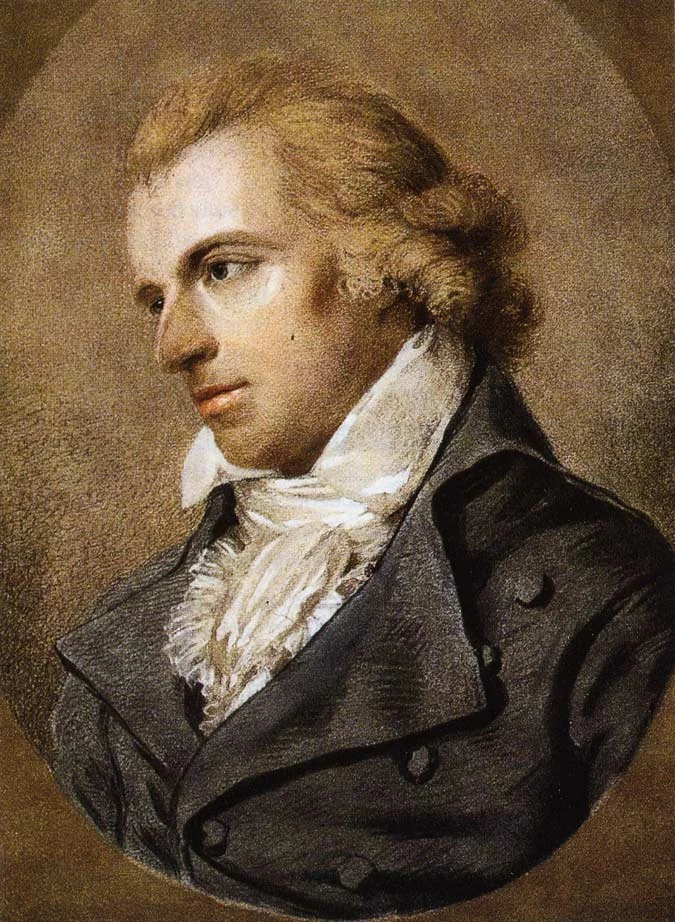
Image from Wikipedia
Image from Wikipedia
Friedrich Schiller – The Dramatist of Freedom and the Great Voice of German Classicism
A Poetic Life Between Departure, Illness, and Unbroken Impact
Johann Christoph Friedrich Schiller, later von Schiller, was born on November 10, 1759, in Marbach am Neckar, and died on May 9, 1805, in Weimar. He is considered one of the most significant German-speaking dramatists, poets, and essayists, shaping German literature with a rare combination of pathos, depth of thought, and political passion. His biography reads like a poetic struggle for freedom, dignity, and human greatness. ([britannica.com](https://www.britannica.com/biography/Friedrich-Schiller?utm_source=openai))
Schiller grew up in an environment marked by discipline and social order but developed a strong sense of intellectual autonomy and artistic self-assertion at an early age. His works are characterized by powerful, catchy verses and pointed dialogues, which are still considered the core of his dramatic strength. This blend of intellectual sharpness and emotional intensity makes him one of the consistently fascinating figures in cultural history. ([friedrich-schiller-archiv.de](https://www.friedrich-schiller-archiv.de/biografie-schiller/?utm_source=openai))
Early Years: Education, Conflict, and the Path to Literature
Schiller received his education at the Karlsschule in Stuttgart, a military-oriented institution that shaped and restricted his thinking. There, he initially studied medicine and was later trained as a physician before his literary ambitions ultimately prevailed. The tension between institutional discipline and inner freedom runs like a leitmotif through his later texts. ([britannica.com](https://www.britannica.com/biography/Friedrich-Schiller?utm_source=openai))
Early dramatic works made it clear that Schiller was not merely a narrator of historical material but an author driven by a strong moral and political impulse. His works consistently question how individuals can assert themselves against power, arbitrariness, and societal constraints. This created a literary authority that reached far beyond his own time. ([britannica.com](https://www.britannica.com/biography/Friedrich-Schiller?utm_source=openai))
The Breakthrough with “The Robbers” and the Birth of a Literary Rebel
Schiller's early breakthrough came with dramas that radically challenged conventions and understood the stage as a place of intellectual upheaval. The impact of “The Robbers” made him famous overnight and established him as a significant new voice in German literature. The play addresses conflicts between family, freedom, law, and violence and already shows the dramatic intensity that established Schiller's fame. ([britannica.com](https://www.britannica.com/biography/Friedrich-Schiller?utm_source=openai))
Britannica describes Schiller’s development as a result of an intense engagement with historical and political themes that he condensed into stage events. Works like “Fiesco” and later dramas like “Don Carlos” show how questions of power, idealism, and political responsibility increasingly preoccupied him. Schiller did not write mere stories but scenarios of internal and external states of emergency. ([britannica.com](https://www.britannica.com/biography/Friedrich-Schiller?utm_source=openai))
Weimar, Goethe, and Classical Maturity
A decisive turning point in Schiller’s career was his proximity to Weimar and his productive relationship with Johann Wolfgang von Goethe. This connection was one of the most fruitful intellectual alliances in German literary history and led Schiller into a more mature, reflective phase of his work. His appointment to the University of Jena, which was partly initiated by Goethe, also underscores the high standing Schiller held during his lifetime. ([britannica.com](https://www.britannica.com/biography/Friedrich-Schiller?utm_source=openai))
In this phase, his themes and artistry expanded. Schiller developed a language that was not only passionate but also philosophically rich, creating works that conceptualized freedom, morality, and aesthetic education as interconnected ideals. This connection of poetry, thought, and historical perspective continues to make him relevant for literary and cultural critique today. ([britannica.com](https://www.britannica.com/biography/Friedrich-Schiller?utm_source=openai))
Historian, Essayist, and Thinker of Aesthetic Freedom
Schiller was not only a dramatist but also a historian and essayist. His historical writings, including "The History of the Revolt of the United Netherlands against the Spanish Government," affirm his claim to understand the past as a politically and morally interpretable realm. He was not interested in mere facts, but in the forces that shape history and change societies. ([britannica.com](https://www.britannica.com/biography/Friedrich-Schiller?utm_source=openai))
His theoretical texts also set standards. Schiller’s thinking revolved around the question of how art can educate individuals and how aesthetic experience not only represents freedom but also prepares it. This idea of art as a space for education is part of his enduring legacy and explains why his work is still intensely engaged with in philosophy, literature, and cultural studies today. ([britannica.com](https://www.britannica.com/biography/Friedrich-Schiller?utm_source=openai))
Musical Legacy: Schiller as an Inspiration for Composers
Although Friedrich Schiller was not a musician himself, his work has significantly influenced music history. His texts have been set to music, recited, and repeatedly transposed into new sound spaces because they already possess a strong musical quality in their linguistic architecture. Rhythm, elongation, contrast, and declamation make his verses still favored material for composers today. ([friedrich-schiller-archiv.de](https://www.friedrich-schiller-archiv.de/biografie-schiller/?utm_source=openai))
Particularly the famous themes of freedom, friendship, and humanity in his poetry have proven especially powerful in choral literature, song art, and dramatic music. Schiller’s language carries tension, possesses melodic lines, and has an emphatic breath that invites musical adaptations. His cultural presence thus extends far beyond literature into the world of concert halls and opera. ([friedrich-schiller-archiv.de](https://www.friedrich-schiller-archiv.de/biografie-schiller/?utm_source=openai))
Work and Impact: Why Schiller Continues to Inspire
Schiller's greatness lies in the union of emotional drama and ethical seriousness. His characters not only struggle against each other but also with themselves, with the law, and with the idea of the good. This creates a literary energy that appeals to modern readers as much as it did to audiences in the 18th and 19th centuries. ([britannica.com](https://www.britannica.com/biography/Friedrich-Schiller?utm_source=openai))
The clear language of his plays and poems also contributes to their lasting impact. It is accessible and highly artistic at the same time, immediate and intellectually complex, passionate and precise. It is precisely in this tension that Schiller's unmistakable signature lies, making him one of the central architects of German culture. ([friedrich-schiller-archiv.de](https://www.friedrich-schiller-archiv.de/biografie-schiller/?utm_source=openai))
Cultural Influence and Contemporary Relevance
Schiller has significantly shaped the image of the idealistic artist in Germany. His works represent the yearning for freedom, humanistic education, and the conviction that art holds social significance. This stance not only makes him a literary classic but also a lasting reference point for cultural debates around responsibility, morality, and self-determination. ([britannica.com](https://www.britannica.com/biography/Friedrich-Schiller?utm_source=openai))
The reception of his work remains vibrant because Schiller does not sound museum-like. His texts speak of conflicts that are still relatable today: abuse of power, refusal, the longing for dignity, and the cost of moral choices. This timelessness of his oeuvre and his status as a European author of lasting charisma are what make him relevant. ([britannica.com](https://www.britannica.com/biography/Friedrich-Schiller?utm_source=openai))
Conclusion: The Spirit of Freedom in Poetic Form
Friedrich Schiller remains engaging because he conceived literature as a moral and aesthetic force. He combined historical breadth, linguistic energy, and philosophical depth into a work that has shaped generations of readers and artists. Those who read Schiller encounter not only a classic but a vibrantly resonant idea of freedom and humanity that is still relevant today. ([britannica.com](https://www.britannica.com/biography/Friedrich-Schiller?utm_source=openai))
His plays, poems, and essays possess a presence that one feels in quiet reading as well as in public performance. This is precisely why revisiting his work is always worthwhile: Schiller remains an author for the present, memory, and future. To hear his language is to experience not only literature but cultural history in its most powerful form. ([britannica.com](https://www.britannica.com/biography/Friedrich-Schiller?utm_source=openai))
Official Channels of Friedrich Schiller:
- Instagram: no official profile found
- Facebook: no official profile found
- YouTube: no official profile found
- Spotify: no official profile found
- TikTok: no official profile found
Sources:
- Wikipedia – Friedrich Schiller
- Britannica – Friedrich Schiller
- Friedrich Schiller Archive – Biography Schiller
- SCHILLER Official Website – Schiller (not Friedrich Schiller)
- SCHILLER Official Website – Euphoria (not Friedrich Schiller)
- Wikipedia – Schiller (music project) (to distinguish from the name)
Upcoming Events
The Robbers – Schauspielhaus Bochum